“Copyright NATIONAL ASSOCIATION OF REALTORS®. Reprinted with permission
Why are Homeowners Increasing the Length They Own Their Homes to 11 Years?
Affordability
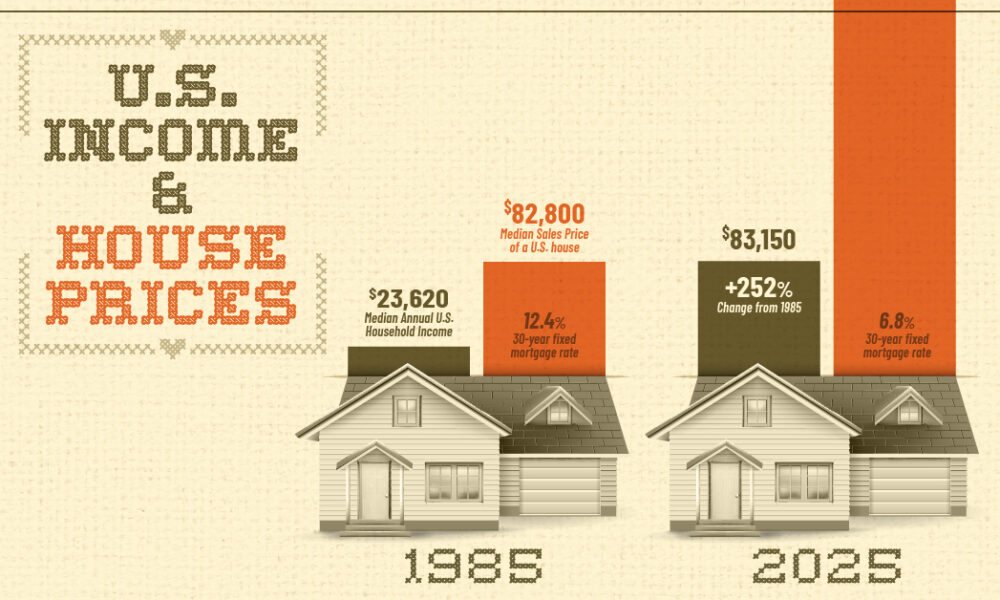
One of the most significant factors is affordability. Home prices have risen substantially faster than wages, making it far more expensive to sell one home and purchase another. Even homeowners who have built considerable equity often find that moving would require a larger mortgage or a downgrade in location, size, or quality. Compounding this issue is the dramatic rise in mortgage interest rates compared to the historically low rates many homeowners secured in recent years. This “lock-in effect” discourages movement, as selling a home with a low-rate mortgage would mean replacing it with a much higher monthly payment, even for a similarly priced property. For many, staying put is simply the more financially responsible decision.
Aging in Place
Homeowners who make up the aging population are now often choosing to age in place. Baby boomers and older Gen X homeowners now make up a large share of the housing market, and these groups traditionally move less often than younger households. Many older homeowners have paid off their mortgages, live on fixed incomes, and value stability, community ties, and familiarity. Rather than downsizing or relocating, they often choose to modify their existing homes to meet changing needs. This reduces turnover in the housing market and limits the supply of homes available for younger buyers, reinforcing a cycle in which fewer moves lead to fewer options for those who might otherwise want to relocate.
Effects from Covid
Another factor came about due to COVID. COVID played a meaningful role in why homeowners are staying in their homes longer. In addition, its effects are still shaping today’s housing market.
During the pandemic, mortgage interest rates dropped to historic lows as the Federal Reserve acted to stabilize the economy. Millions of homeowners refinanced or purchased homes at rates that are now far below current market levels. As rates rose sharply after 2021, homeowners became financially “locked in,” reluctant to sell a home with a 2–3% mortgage only to take on a new loan at double or triple that rate. This lock-in effect is one of the strongest pandemic-related reasons homeowners are staying put.
COVID also changed how people use and value their homes. With remote work, virtual school, and stay-at-home lifestyles becoming common, homeowners began adapting their existing spaces instead of moving. Extra bedrooms became offices, basements became gyms, and outdoor spaces gained importance. Many people invested heavily in renovations during this period, increasing both the financial and emotional attachment to their homes and reducing the desire to move soon after.
The pandemic also disrupted normal housing market activity. Construction delays, labor shortages, and supply-chain issues slowed new home production, leading to ongoing inventory shortages. Fewer available homes made moving more difficult and competitive, reinforcing the decision to stay in place. At the same time, economic uncertainty during and after COVID made homeowners more risk-averse, encouraging stability over major financial changes like selling and buying again.
COVID accelerated longer-term trends such as remote work and aging in place. With location becoming less tied to employment and health concerns making familiarity and community more valuable, many homeowners reassessed the need to move at all. While these trends existed before the pandemic, COVID significantly intensified them, making longer homeownership tenures the new norm rather than a temporary shift.
Current Factors of Home Ownership
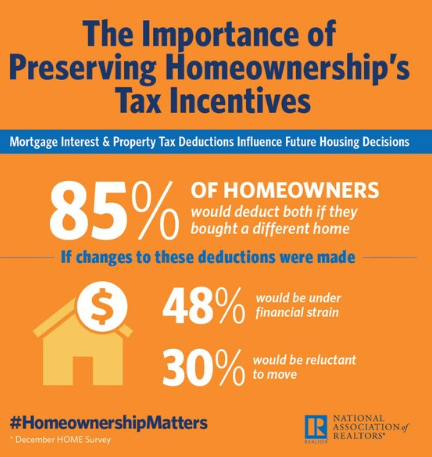
Home ownership factors also play a role in reduced mobility. In some states, property tax systems reward long-term ownership by keeping taxes low for existing homeowners, creating a financial penalty for moving. Zoning restrictions and slow new construction further limit housing supply, particularly for entry-level homes and downsized properties that would facilitate natural movement within the market. As a result, the housing system has become less fluid and less responsive to life changes. Taken together, these forces explain why homeowners are staying put longer than ever before. The decision not to move is rarely about a lack of desire; instead, it reflects a housing market where financial risk, limited options, and structural barriers make staying put the safest and most practical choice.
Work With RE/MAX Achievers — Local Experts in Buying & Selling
At RE/MAX Achievers, we understand how design and presentation make a difference in real estate success. Whether you’re preparing your home for the market or searching for the perfect kitchen to call your own, we’re here to help every step of the way.
Visit Our Offices
📍 Collegeville Office: 1425 S. Collegeville Rd, RTE 29, Collegeville, PA 19426
📞 (610) 489-5900 https://achieverspa.com
📍 Pottstown Office: 2060 E. High St, Pottstown, PA 19464
📞 (610) 326-1200 https://achieverspa.com
Ready to sell? Thinking about a design refresh before listing?
Contact RE/MAX Achievers today — our experienced agents will guide you to the best results in your market.